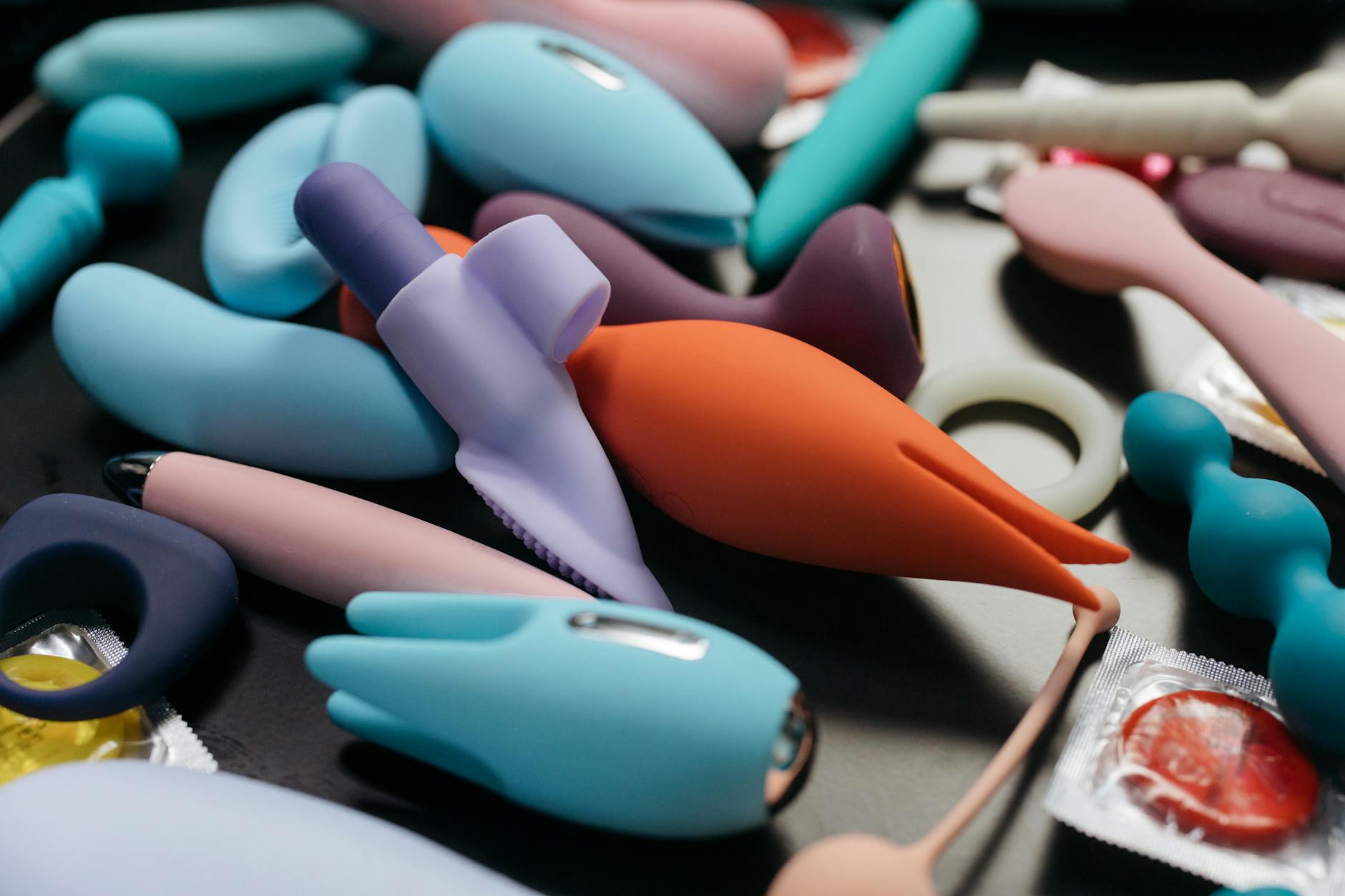
Let's start with the honest part
Your partner wants to try toys. They said so. But there's something under the surface. Maybe it's shame about not being "enough." Maybe it's worry that you've been fantasizing about someone else. Maybe they're just uncomfortable with the awkwardness of buying something, holding it, figuring out where it goes.
That gap between curiosity and comfort is where everything falls apart.
Why the awkwardness happens in the first place
Here's what I see in my practice: one person in the relationship has been thinking about toys for months. They've done the research, maybe looked at lemon vibrators online, and finally worked up the courage to bring it up. The other person hears "I want to use a vibrator" and their brain rushes to fill in a story that usually isn't true. "They think I'm not satisfying them. They want something bigger, better, more intense."
That's not usually what's happening at all.
More often, the person who suggested toys is thinking about variety, novelty, or just the physical sensation of a lemon clitoral vibrator. They're not questioning the relationship. They're just curious.
But now both of you are awkward, and no one's said the real thing out loud.
The conversation that actually works
Don't bring up toys in the moment. Don't hand someone a vibrator right before sex and hope they'll figure out what to do with it.
Instead, have the conversation outside the bedroom. Afternoon coffee. In the car. When you're both clothed and there's zero pressure.
Start like this: "I've been thinking about trying something new together. Not because anything's missing, but because I'm curious. I found these lemon vibrators that look interesting, and I'd like to try one with you. But only if you want to. And I want to know what you're actually thinking about it, not just whether you'll do it."
Then stop talking. Let them respond.
If they ask questions, answer them honestly. "No, this doesn't mean I don't want you." "Yes, I've done some research." "We can return it if you hate it." "This is about adding something, not replacing something."
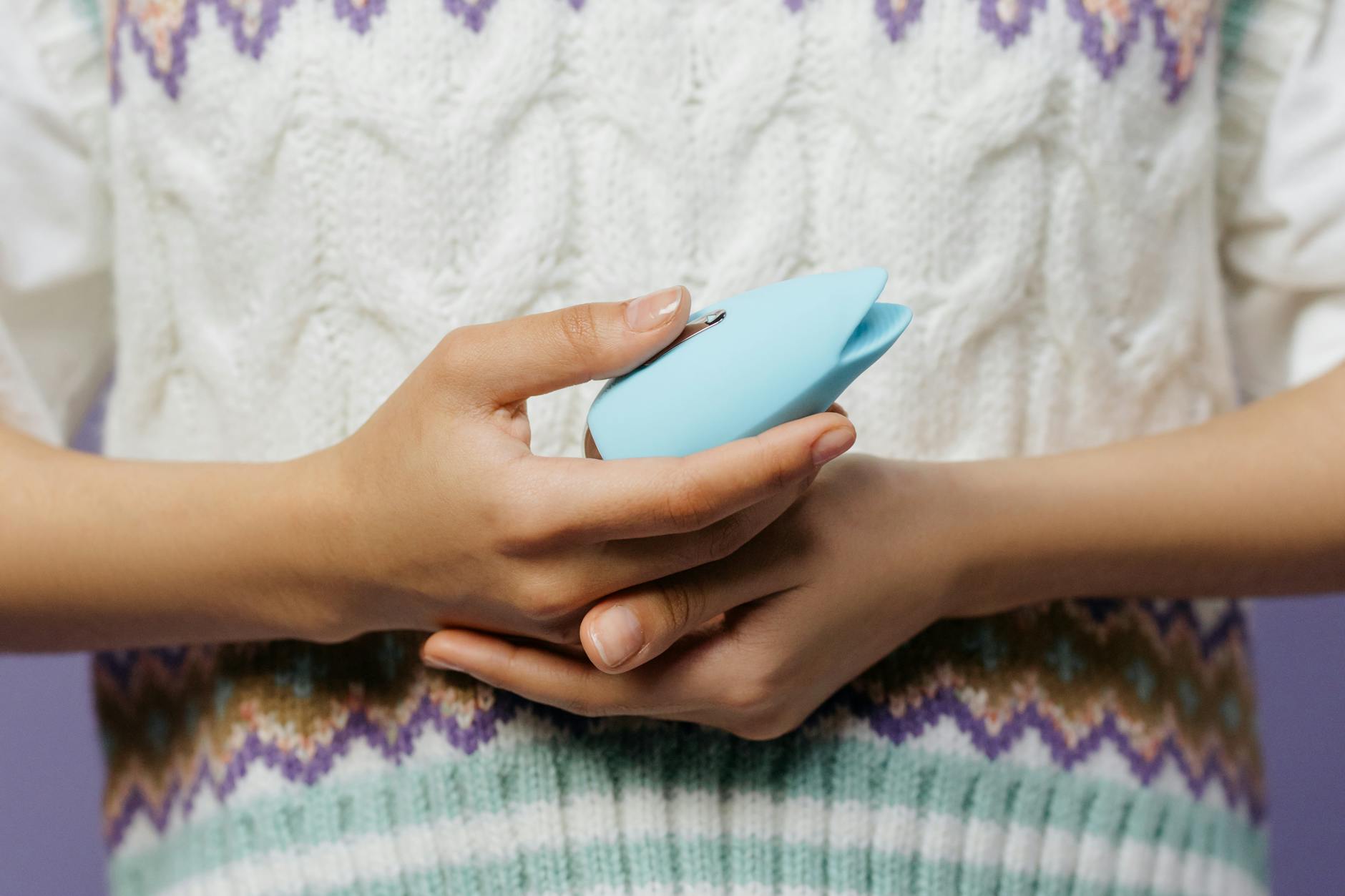
Photo by cottonbro studio on Pexels
Three things that kill the momentum
Springing it on them mid-sex. Your partner is vulnerable, aroused, and focused. This is not the time to introduce a new object. They'll feel ambushed, even if you mean well.
Leaving it sitting on the nightstand. There's a difference between talking about lemon sexual toys and actually seeing one in your bedroom. Make the purchase together, or at least show them what you ordered before it arrives. Let them adjust to the idea.
Expecting immediate enthusiasm. Your partner might take weeks to feel ready. That's not rejection. That's normal. The more you push, the more they'll retreat.
How to actually introduce a lemon vibrator
Once you've had the conversation and they've said yes (and they genuinely have, not just "fine"), here's the path forward.
First time: just look at it together. Don't rush into using it. Hold it, turn it on, feel the suction or vibration against your hand. Let them touch it, hold it, get familiar with the weight and size. This sounds slow, but it erases so much anxiety.
Second time: use it on yourself first. When you're together, sexually, and the moment feels right, use a lemon clitoral vibrator on yourself. Let them watch. This removes the pressure from them (they're not being "tested") and shows them what it actually does. You're not performing. You're just exploring.
Third time: ask permission. "Can I try this on you?" Not "Should I try this on you?" The second phrasing sounds like a question. The first is a request that honors their autonomy.
If they say no, that's the end of that conversation for today. Not forever. Just today.
What to actually do when you're using it together
Start low. If you're using a lemon vibrator for the first time with a partner, begin at the gentlest setting. You can always turn it up. You can't un-ring the bell if you start too intense and they recoil.
Talk. Not dirty talk necessarily, just actual words. "Does this feel good?" "Want me to move it?" "Should I go faster?" These aren't mood-killers. They're connection points. And they tell you what's working.
Use lubricant. Water-based, always, especially if you're using silicone toys. It reduces friction, makes everything feel smoother, and frankly, it's more comfortable for your partner if they're nervous.
Keep your hands free. This is why lemon vibrators are genuinely different from wands. The suction or air-pulse technology means you're not using your hands to hold something in place. You're present. You're touching your partner. You're looking at them.
The emotional part that actually matters
Your partner's awkwardness isn't about the toy. It's about vulnerability. They're worried about being judged, or disappointing you, or not being good enough.
The antidote isn't reassurance speeches. It's consistency. It's showing up the same way you always do. It's making it clear that trying something new doesn't change how you feel about them.
If they feel self-conscious, don't push. Pause. Come back to it another night. Some people need three or four low-pressure introductions before curiosity beats nervousness.
That's not a sign something's wrong. That's just how humans work.
When it actually starts to feel good
Once the awkwardness settles, here's what often happens: your partner realizes they've been overthinking it. A lemon clitoral vibrator is just a tool. It feels good. It's fun. And having someone you trust introducing you to something new is actually intimate.
You might find that your partner becomes curious about variations. Different intensities. Different positions. Different moments in the cycle where it feels better or worse.
If that happens, you're basically there. You've moved from "awkward" to "exploration." And that's when sex actually gets interesting again.
People also ask
How do I know if my partner is truly willing or just saying yes to make me happy?
Ask them directly, a day or two after you've suggested it. "I want to make sure you're actually interested and not just going along with it. What are you actually thinking?" Listen for hesitation, short answers, or deflection. If they're genuinely interested, they'll usually say something like "Yeah, I'm curious" or "I've been wondering what it would feel like." If they're doing it for you, they'll say things like "I guess" or "If you want to." That's your cue to pause and have a deeper conversation about what they actually want.
What if my partner tries it and doesn't like it?
Breathe. That's completely normal. Not everything works for everyone. The lemon vibrators that feel amazing to one person might feel too intense or not intense enough for another. If they don't like it, don't make it weird. "Okay, that's useful information. We don't have to use this again." Then move on. The win here is that they tried something new and trusted you enough to be honest about it. That's the real intimacy.
Is using a vibrator together going to make us dependent on toys?
No. Research on this is pretty clear. Toys enhance pleasure and variety, but they don't replace your partner. Most couples who use toys still enjoy sex without them regularly. Think of a vibrator like going out to a nice restaurant. You still eat at home. You just also like the experience of dining out sometimes. Using lemon sexual toys together can actually deepen intimacy because you're exploring something as a team, not separately or secretly.
Should we buy the toy together or should I surprise them with it?
Buy it together if they're open to it, or at minimum show them what you chose before it arrives. Surprises can feel like ambushes when someone's already nervous. But if your partner is genuinely excited and has said "Yes, pick something," then going ahead makes sense. Either way, transparency beats surprises here. Your partner needs agency in this decision.
What if they want to use toys but don't want me there?
That's also fine. Not everything has to be partnered. If they want to explore on their own first to get comfortable, support that. Some people need to understand their own response to stimulation before adding another person to the equation. The goal isn't to always use toys together. The goal is to remove shame around pleasure, whether that's solo or partnered. A lem vibrator works beautifully either way.
How often should we be using vibrators if we start?
There's no rule. Some couples incorporate toys weekly. Others monthly or occasionally. It depends on what feels good for both of you. If one person is using toys constantly and the other never wants to, that's worth discussing. But there's no magic frequency. Let desire and curiosity guide you, not obligation.
The real thing
Introducing toys to a partner is less about the object and more about permission. Permission to explore. Permission to be curious. Permission to want something different without it meaning something's broken.
When you navigate that with honesty, patience, and genuine care for what your partner's actually thinking, toys become just another way you connect. Not awkward at all.
If you want to dive deeper into how to rebuild intimacy and communication in your relationship, read about how lemon vibrators help when emotional intimacy feels missing. And if your partner is dealing with specific physical challenges, this guide on how to use lemon vibrators when your clit needs time to warm up might help them feel less alone.
Questions? Reach out. We're here to help.