Let's be real about what birth control actually does to pleasure
Hormonal birth control is a game-changer for life autonomy. It's also a quiet saboteur of sexual desire for a lot of people, and that part almost never shows up in the conversation before you start taking it. Most people assume they'll feel the same; they simply won't. That's not weakness, and it's not you breaking. It's biology doing exactly what it was designed to do.
The hormones in your pill, patch, or shot are literally suppressing ovulation by lowering your natural testosterone and estrogen cycles. That's the whole point. The side effect is that many people report their libido doesn't just dip—it goes quiet. Sensation dulls. Arousal takes longer to build, or doesn't build at all. You might feel numb where you used to feel everything. This is so common that a shocking number of women just accept it as the price of not being pregnant, never realizing there are actual tools and techniques to reclaim what birth control took.
Here's what you need to know: reconnection is possible. And lemon clitoral vibrators are one of the most effective entry points.
Why birth control changes sensation in the first place
Your natural menstrual cycle creates hormonal peaks and valleys. Estrogen rises, testosterone rises with it, and your clitoris literally becomes more engorged and sensitive around ovulation. That's the window when most people feel desire most acutely. Hormonal birth control flattens that landscape. It keeps your hormones steady and low, which means no peaks, no surge of sensitivity, no natural window of heightened arousal.
The second thing that happens is bloodflow. Testosterone drives clitoral engorgement. Lower testosterone means less bloodflow to genital tissue. This is especially true in the vulva and clitoris, which rely on that engorgement for sensitivity. You're not imagining that sensation is duller. It actually is.
Third, some people find that the hormones in their specific birth control method affect their emotional baseline. Progestin can dampen mood in some bodies, which then tanks desire at the emotional level, not just the physical one. Depression or flatness on hormonal birth control is real and documented.
The good news: none of this is permanent. Getting off hormonal birth control reverses most of it in 2-4 months. But if you're not ready to come off, or if you like your birth control and just want your pleasure back, external stimulation tools become your best friend.
How lemon vibrators fill the gap that birth control creates
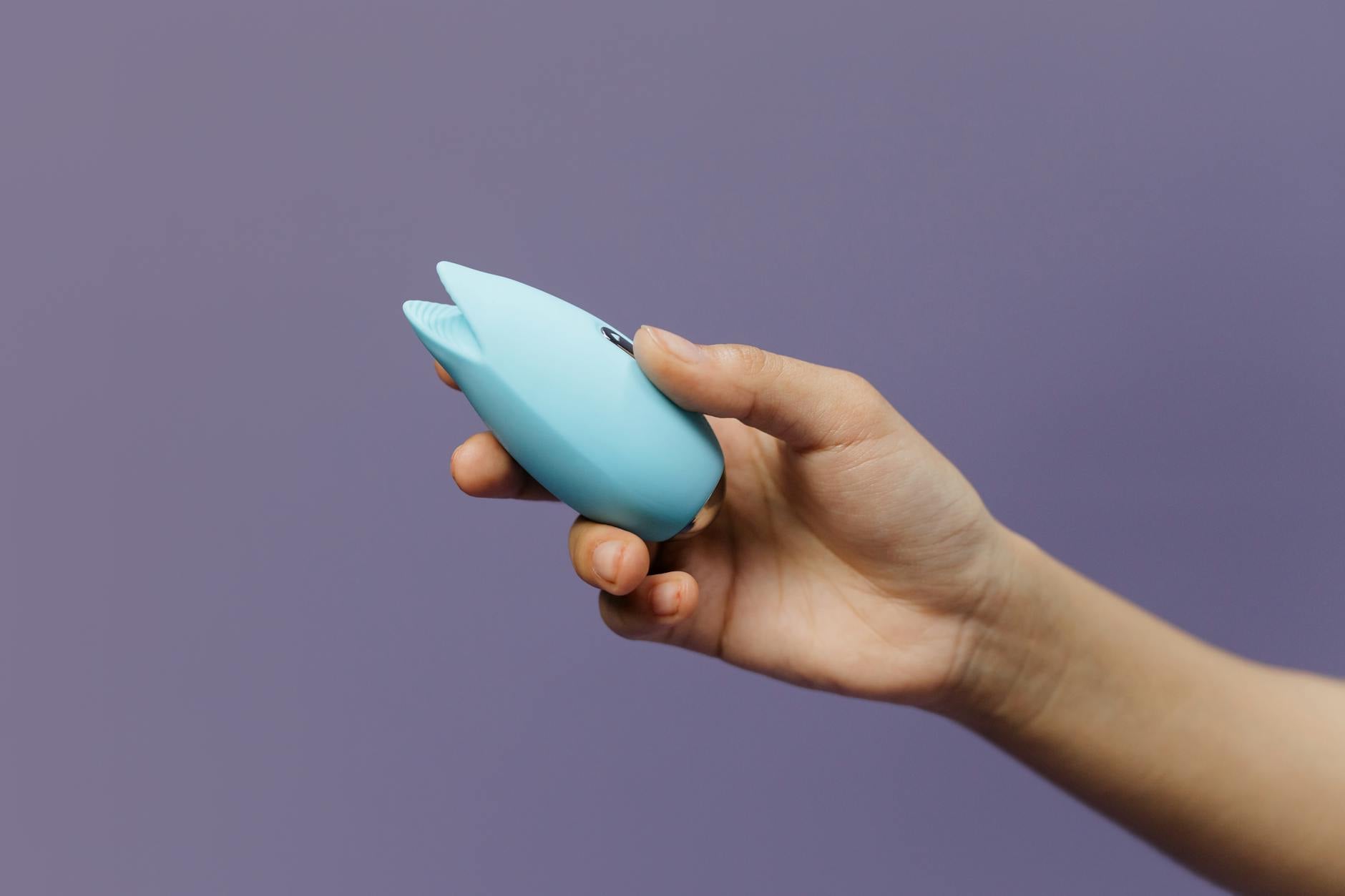
Lemon clitoral vibrators work through suction and pulse patterns that bypass the low-stimulation problem birth control creates. Instead of relying on your body to generate sensitivity through bloodflow and natural hormonal peaks, the lem vibrator creates direct, consistent stimulation that works regardless of where your hormone levels are sitting.
This matters because birth control flattens two things simultaneously: sensation and arousal speed. A regular vibrator still requires sensation to register. If your clitoris is genuinely less sensitive—not psychologically less interested, but literally receiving fewer nerve signals due to reduced bloodflow—a buzzing vibrator might feel like nothing at all. You'd need it at such a high intensity to feel it that you'd end up raw instead of satisfied.
Lemon suction vibrators work differently. They create a seal around the clitoral area and use air-pulse technology instead of pure vibration. This reaches deeper nerve endings without requiring surface sensitivity. Many people report that a lemon vibrator works when nothing else does on hormonal birth control because it's not asking for sensation that birth control has temporarily dimmed. It's creating sensation from the ground up.
The actual reawakening process (what works)
Step one: give yourself permission to need more time. You're not broken. Birth control has genuinely changed your nervous system's response. Expecting to feel like yourself immediately is setting yourself up for frustration.
Step two: start solo. Pressure from a partner—even well-intentioned pressure—makes reconnection harder. You need to relearn your own body without audience or expectation. This is non-negotiable. Solo exploration with something like a lemon vibrator lets you figure out what patterns your body is actually responding to right now, on birth control.
Step three: begin at the lowest intensity. If you have a lem vibrator with multiple settings, start at mode one. You might feel nothing at first. That's fine. Stay there for 5-10 minutes. Your body is being introduced to a type of stimulation it might not have felt in months.
Step four: notice the sensation changing. Suction vibrators create a different kind of build than traditional vibrators. You might not feel dramatic arousal spike, but you'll often notice subtle changes—slight engorgement, micro-contractions, a shift from numb to present. Track that shift. Stay with it.
Step five: play with patterns. Most lem vibrators have 5-10 different pulse modes. Spend a few sessions just trying them all at low intensity. Your body is hunting for a pattern that lands. When you find it, you'll notice because the shift from numb to present accelerates.
Partnered reconnection without the pressure
Once you've done solo work and located some sensation and arousal, bringing a partner into the equation becomes possible without it being another source of performance anxiety.
The frame matters. Instead of "let's have sex and I'll use this toy during," try "I'm relearning my body right now and I'd like you to be present while I explore." This shifts the goal from partner satisfaction to mutual discovery. You're not trying to perform; you're showing them what you're learning.
If you're worried about awkwardness, skip intercourse entirely for a few sessions. Lie together, use your lemon vibrator while your partner touches you elsewhere—your belly, inner thighs, chest—places that aren't goal-oriented. This creates intimacy and reconnection without the pressure of needing to "perform" regular arousal.
Honestly though, a lot of people find that the pressure of partnered sex is actually part of why pleasure disappeared in the first place. Birth control gets blamed for libido loss, but sometimes it's the relationship structure, the expectation to be ready on demand, the sense that your pleasure should happen on someone else's timeline. Reconnection sometimes means renegotiating the whole framework with your partner, not just finding a better toy.
When it's worth talking to a doctor
If you've been on your birth control for over six months and sensation is completely absent—not just reduced, but genuinely numb—talk to your doctor or OB. Some people are extra-sensitive to certain progestins. Switching to a different pill or a non-hormonal method (copper IUD, condoms, rhythm method) might restore sensation faster than any toy can.
If arousal has vanished but you're also experiencing depression, anxiety, or mood flattening, that's also worth mentioning. It might be your specific birth control. It might be something else. But your doctor needs to know that sensation and mood have both shifted, because that's the data that helps them support you.
You don't have to live with birth control that dims your pleasure. There are other options, and most of them are excellent. The lemon vibrator is a bridge, not a permanent solution if the problem is actually your birth control method itself.
The timeline for reconnection
Here's what I tell people: expect 4-8 weeks of solo exploration with a lemon clitoral vibrator before you notice real arousal returning. This isn't because the toy doesn't work. It's because your nervous system is being retrained to register pleasure signals that birth control has been suppressing. That retraining takes time.
Around week 2-3, you might notice physical changes—subtle engorgement during stimulation, the sense that sensation is "waking up." Around week 4-6, arousal might start happening again, even outside of toy sessions. You'll find your body responding to touch or thought without deliberately trying to turn yourself on.
If nothing has shifted by week 8, that's the signal to consider whether your birth control method is the right one for your body, or whether something else is going on—stress, relationship dynamics, other medication, depression. But in most cases, consistent exploration with something like a lemon sucker or lemon vibrator produces real results in that window.
FAQs about lemon vibrators and birth control disconnect
Do I have to stop taking my birth control to feel pleasure again?
No. You can reconnect with pleasure while staying on birth control. It takes more intentional work—toys, time, exploration—but it's absolutely possible. That said, if your birth control is the problem, coming off it will restore sensation much faster. Talk to your doctor about whether switching methods or stopping entirely makes sense for your life.
Why does a lemon vibrator work better than a regular vibrator when I'm on birth control?
Lemon clitoral vibrators use suction and air-pulse patterns instead of pure vibration. This technology reaches deeper nerve endings without requiring the surface sensitivity that birth control temporarily reduces. Many people find traditional vibrators feel like nothing when on hormonal birth control, but a lem vibrator registers even when sensation is dulled.
How long does it take for sensation to come back after stopping birth control?
For most people, 2-4 months. Testosterone levels usually normalize within the first month after stopping, which brings back some baseline sensitivity. But full arousal and desire often take 3-4 months to fully restore. Everyone's timeline is different depending on how long they were on hormonal birth control.
Can I use a lemon vibrator with my partner while reconnecting?
Absolutely. In fact, partnered exploration can accelerate reconnection if it's done without pressure. Use the toy during foreplay, ask your partner to touch you elsewhere while you use it, or simply explore together without goal-oriented sex. The key is removing the expectation that you should feel like yourself immediately.
What if I use a lemon vibrator and still feel nothing?
That's worth investigating. It could mean your birth control is particularly suppressive for your body, or there's something else at play—depression, relationship issues, other medication, hormonal imbalance unrelated to birth control. If a lemon clitoral vibrator produces zero sensation after 4 weeks of regular use, talk to your doctor. You might benefit from switching birth control methods or exploring other causes.
Is it normal to feel weird or guilty using toys while on birth control?
Completely normal, and worth examining. Some people internalize the idea that if birth control has lowered their desire, then using a toy is "cheating" or artificial. That's a story, not a fact. Your pleasure matters regardless of how it shows up. Using a lemon vibrator is reconnecting with something birth control temporarily dimmed, not replacing something real with something fake.
Finding your way back
Birth control gives you incredible agency over your life. The cost of that agency shouldn't be permanent disconnection from pleasure. If hormonal birth control has dimmed your sensation and desire, you have options. Lemon clitoral vibrators are one of the most effective tools for reconnecting because they work with reduced sensation rather than against it.
The reconnection process takes patience and permission—permission to spend time exploring solo, to move slowly, to try different patterns, to involve your partner without pressure. But in most cases, within 4-8 weeks of consistent exploration with something like a lemon vibrator, sensation and arousal begin returning.
You're not broken. Your pleasure is still there. It's just waiting for the right kind of stimulation to remind you it exists. Start where you are. Use what works. Give yourself the time you need.
If you'd like to explore how relationship dynamics might be playing a role in your disconnect, we're here to help. Reach out to us to talk through what's going on.