
Here's the thing about vibrators and couples
Introducing a toy into partnered sex feels like it should be complicated. Like you need the perfect moment, the perfect wording, the perfect device. You don't. Most of the anxiety isn't about the vibrator itself. It's about what you're actually asking: "Does this mean I'm not enough for you?" And the answer is always no. But your partner needs to hear that out loud, preferably before you're half-dressed.
Lemon vibrators make this conversation easier because they're designed for precision, not replacement. They're not trying to do what a partner does. They're trying to do what hands alone can't do consistently. That distinction, stated clearly and early, changes everything.
Why the first time feels loaded (and how to make it less so)
You're not nervous about the vibrator. You're nervous about being rejected, misunderstood, or making your partner feel inadequate. These are the actual stakes. The lemon clitoral vibrator is just the container for that conversation.
Here's what I tell couples in my practice: the best time to introduce a toy isn't during sex. It's in a regular conversation, outside the bedroom, when neither of you is aroused or vulnerable. Say something like, "I've been thinking about trying something that might help me get there faster. Would you be open to exploring that together?" Notice the language. Not "because you can't make me come." Not "I need this." Just "it might help."
Your partner's response tells you a lot. If they're curious, you're golden. If they're hesitant, ask what they're worried about. Usually it's one of three things: they think it means they're failing, they're worried it'll become a dependency, or they're nervous about how it'll feel. All of those are worth addressing before you unwrap anything.
What makes lemon vibrators different when you're bringing a partner in
Three design features matter specifically for couples.
They're hands-free. Well, mostly. The suction mechanism means you can use it solo, or your partner can hold it, or you can guide their hand to it. You're not handing them an instruction manual on your body. You're handing them an option. There's a difference.
The sensation isn't mimicking anything they do. Wands vibrate. Bullets buzz. Lemon vibrators work through gentle suction, which creates a totally different sensation that doesn't feel like it's replacing penetration or manual stimulation. It feels like its own thing. Psychologically, that matters. Your partner isn't competing with a simulation of what they already do. They're adding to the experience.
They're small and less intimidating. I know this sounds silly, but the visual element of sex toys matters more than people admit. A huge wand can feel like a statement. A lemon clitoral vibrator looks almost playful. Less "serious business," more "let's see what this does." For the first time, that tone is important.
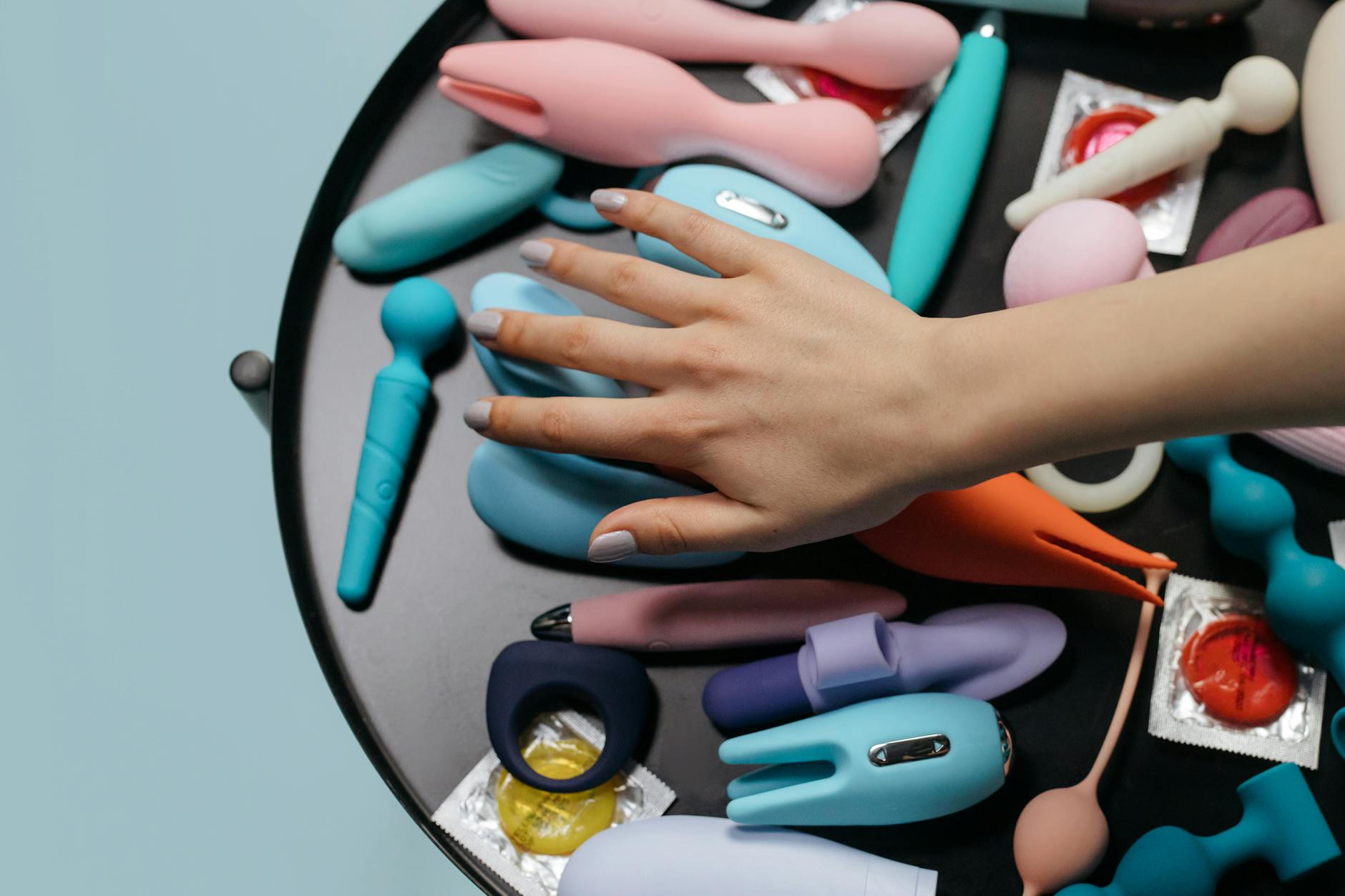
Photo by cottonbro studio on Pexels
The conversation before you buy
Don't surprise your partner with a toy. Ever. Even if you mean well.
Instead, say, "I want to try using a vibrator together. Would that be something you'd be interested in?" If they say yes, involve them in the choice. Show them options. Let them ask questions. This isn't about you picking the "perfect" device and presenting it as a gift. It's about making a choice together.
If your partner is hesitant, don't push. Instead, ask what would make them more comfortable. Maybe they want to research together. Maybe they want to watch you use it solo first so they understand how it works and what it actually does. Maybe they're worried about noise. All of these are solvable.
The first time you use it together (actual steps)
Set the scene in a way that feels normal to you. Not "special." Not "performance." Just how you usually get intimate. Start without the vibrator. Get aroused the way you normally would. Let your partner touch you, kiss you, do whatever you usually do.
When you're already aroused, introduce the vibrator. Start on the lowest setting. Your partner can hold it, or you can. If they hold it, they're making micro-adjustments based on your body's response. That's actually deeply intimate. You're teaching them something new about how you respond.
Don't expect it to feel perfect the first time. A lot of people expect instant results and then feel disappointed when it takes two or three tries to figure out the right pressure, angle, and speed. That's normal. It's also why involving your partner matters. You're learning together.
When your partner is reluctant but willing
Some people aren't immediately excited about toys, but they're open. For these partners, the best approach is showing them that the vibrator is about what you want, not what you're rejecting about them.
You might say: "I love that you touch me. This isn't replacing that. I just want to try something that adds to it." Then, when you use it together, make sure your partner is still involved. Don't just use the vibrator and ignore them. Keep kissing them, touching them, making eye contact. The vibrator is a prop. Your partner is the main event.
This is also where lemon sexual toys have an advantage. Because they're not huge, they don't take up space in the bed or distract from the fact that your partner is still there, still present, still part of what's happening.
Dealing with the emotions that come up (for them and for you)
After the first time, check in. Not the next day with a big serious conversation. Just after. "That was fun. How did that feel for you?" Some partners will say it was hot. Some will say it was interesting but they weren't sure. Some will need time to process.
If your partner seems uncomfortable, don't respond by abandoning the vibrator or apologizing profusely. Instead, ask what felt off. Maybe it was the pressure. Maybe it was psychological. Maybe they thought it would feel a certain way and it didn't. Get curious instead of defensive.
And if you, using a lemon vibrator with your partner for the first time, feel vulnerable or weird, that's normal. You've just done something intimate and exposed. You've asked for something and hoped for acceptance. Acknowledge that with yourself and your partner. "That felt vulnerable for me. Thank you for being open to it."
The second and third times matter more than the first
Your first time using a clitoral vibrator with your partner often isn't the best orgasm you'll have with it. It's just the first time. The second time, you both know what to expect. The third time, you know what actually works. By the fourth, it's not a big deal anymore. It's just part of your repertoire.
If you want to build confidence and consistency, the best thing you can do is use it regularly. Not constantly. But regularly enough that it becomes normal instead of novel. Once it's normal, the psychology shifts. It's not "we're trying something new and slightly risky." It's just "this is something that helps." Your partner will feel the difference.
When to bring in communication during
Once you're comfortable using a lemon vibrator together, communication during sex becomes easier and more playful. You can say, "Higher" or "More suction" without it feeling clinical. Your partner can ask, "Does this feel good?" and get a real answer instead of performance.
This is one of the biggest relationship benefits of introducing toys as a couple. You have to communicate about pleasure in a way you maybe haven't before. That communication transfers to everything else. If you can ask for what you want with a vibrator, you can ask for what you want in other contexts too.
Troubleshooting common first-time issues
Your partner is holding the vibrator and can't figure out the right angle. Guide their hand gently. You already know your body. Show them.
You came really fast and now you feel embarrassed. Don't. Fast orgasms aren't a failure. They're proof that this works for your body.
Your partner went soft or lost interest. This happens. It doesn't mean they don't want to be there. Sometimes the learning curve of a new thing disrupts arousal. Take a break. Try again another time.
The vibrator is too intense even on the lowest setting. Some lemon vibrators have graduated intensity levels, which helps. If not, you can also just use it for shorter periods and build up tolerance.
You both came and now there's this weird post-sex awkwardness. That's just intimacy. Cuddle, talk, laugh about it. Most of the best sex moments are funny when you think back on them.
Why lemon vibrators specifically make this easier
Lemon clitoral vibrators are designed for precision without performance. They're not trying to be everything to everyone. They're trying to give direct, consistent stimulation to the clitoris. That singular focus means less guesswork for you and your partner.
You're not debating which setting to use or whether you need lubricant or whether the vibration is too rumbly. You're just using a device that does one thing and does it well. That simplicity, especially for a first-time experience as a couple, is underrated.
The long game
After your first few times using a lemon vibrator with your partner, you'll probably find a rhythm. Maybe it becomes part of foreplay. Maybe it becomes part of how you finish. Maybe you use it solo sometimes and with them other times. All of that is fine.
The point isn't that you now need a vibrator to have good sex. The point is that you've communicated about pleasure clearly, you've been vulnerable with your partner, and you've found a tool that works for your body. That's the win. The vibrator is just the vehicle.
If you're nervous about bringing this up with your partner, start here: "I want to try something that might help me feel better during sex. Are you open to exploring that together?" Then listen. Then decide together. Then try it without pressure or expectation.
Your partner probably wants you to feel good too. You just have to tell them that's what you want.
People also ask
How do I bring up using a vibrator with my partner without hurting their feelings?
Frame it as something you want to explore together, not something you need because they're not enough. Try saying, "I've been curious about trying a clitoral vibrator to see if it helps me get there faster or feel more sensation. Would you be interested in trying it together?" The key is positioning it as addition, not replacement. Also do this conversation outside the bedroom when neither of you is aroused.
Will my partner feel like they're being replaced if I use a lemon vibrator during sex?
Some partners worry about this initially, but lemon vibrators work so differently from what hands and bodies do that they feel separate, not competitive. Lemon clitoral vibrators use suction rather than vibration, which creates a unique sensation. Make sure your partner stays involved. Have them hold the vibrator, kiss you, touch you while you use it. The vibrator is a tool, not a replacement.
Is it okay to use a lemon vibrator for the first time with a partner or should I use one solo first?
Both approaches work. Some people feel more confident using a vibrator solo first so they understand how their body responds and what settings they like. Others prefer to explore it as a couple so there's no mystery and no "catching up" to do. Talk to your partner about what feels right for both of you. There's no wrong answer.
What if my partner says no to using a vibrator together?
Respect that boundary. Ask if they'd be open to it in the future or if something is making them uncomfortable. Maybe they're worried about performance, maybe they have insecurity about toys, maybe it's just not their thing. You don't have to force it. You can explore vibrators solo, and you can revisit the conversation with your partner later if things shift. Some partners come around with time and conversation.
How do I know if a lemon vibrator is good for couples or if I should choose a different toy?
Lemon vibrators are specifically designed for clitoral stimulation through suction, which means they don't require a lot of physical guidance. They're intuitive for partners to use. They're quieter than many vibrators. They're smaller and less intimidating than wands. For a first-time couple experience, these qualities matter. If you want something different, research what you need and involve your partner in that choice.
What if we use a lemon vibrator and my partner gets jealous or insecure?
Talk about it directly and soon. Ask what specifically is making them feel insecure. Is it that the vibrator works better than they do? Is it that you seem more into it? Is it something else? Then address that thing. You might say, "The vibrator does one specific thing really well, but I want you. You're the one I'm here with." Then show them that through how you touch them, look at them, and engage with them while using the vibrator. Reassurance isn't a one-time conversation. It's an ongoing action.
Final word
Introducing a lemon vibrator with your partner for the first time is actually one of the easiest intimacy upgrades you can make. The conversation feels bigger than it is. The execution is simpler than you think. And the benefit is mutual. You get better sensation, your partner gets to be part of something intimate with you, and you both learn something about how to communicate about pleasure. That's a win on every front. If you're ready, have the conversation. Your partner is probably more open than you think.