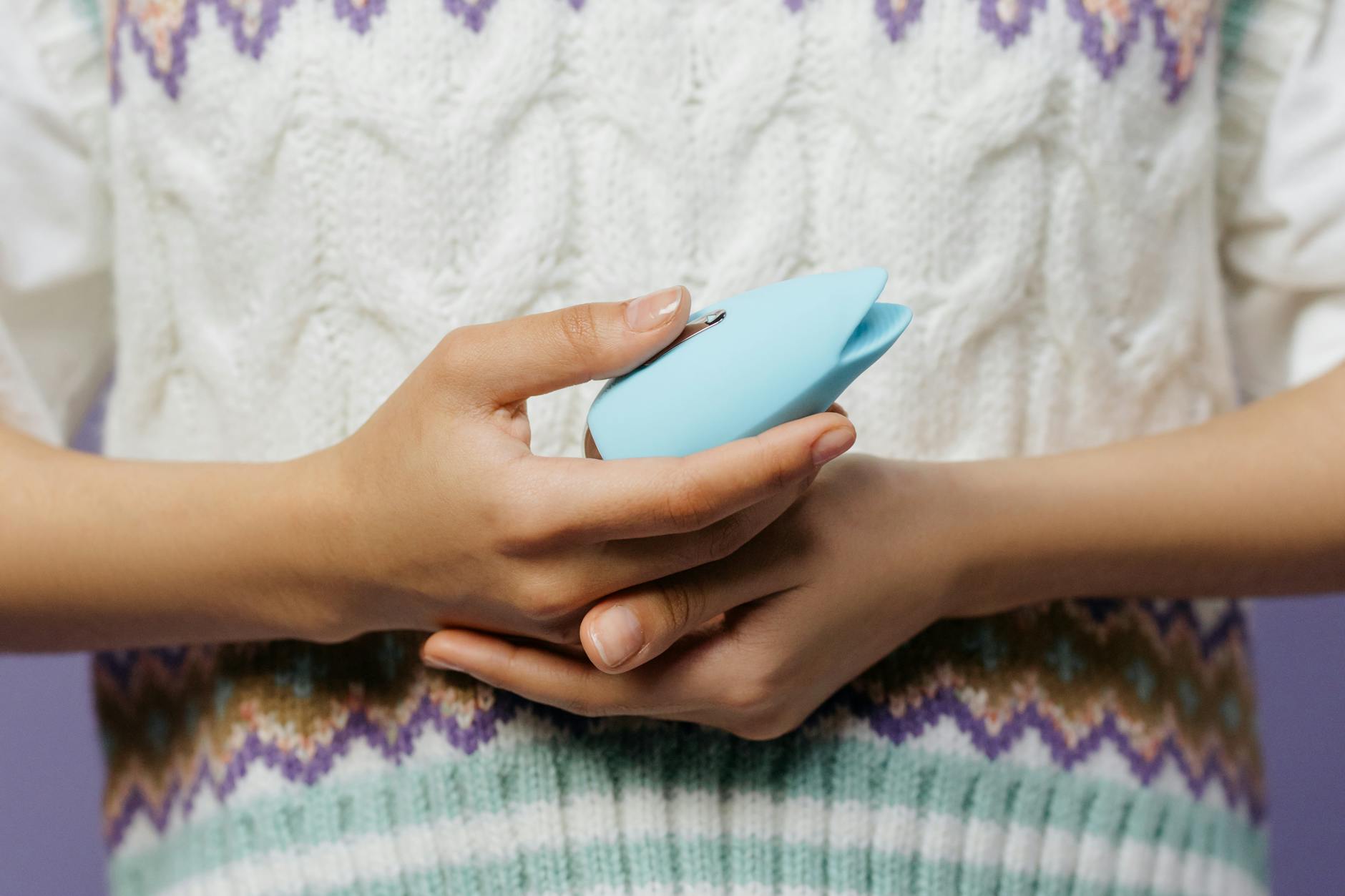
Let's talk about what happens to desire after trauma
Here's the thing nobody explains: your body remembers harm differently than your mind does. Your nervous system holds onto the breach of trust long after your brain has forgiven someone, processed the event, or even intellectually moved on. That's not weakness. That's neurology.
When arousal feels blocked, complicated, or altogether absent after relationship trauma, it's not because you're broken. It's because your body has learned that vulnerability can hurt. Rebuilding pleasure after betrayal is genuinely possible, but it requires different tools and a different pace than pleasure in a trusted context.
Why trauma scrambles arousal in the first place
Your nervous system has two main modes: safe and unsafe. During sex or intimate touch, you're supposed to drop into the safe state. Trauma teaches your body that intimacy is a threat.
This shows up in three ways:
First, hypervigilance. You're scanning for danger even when you're alone, so your body stays tense instead of opening. Second, dissociation. Touch that should feel good triggers numbness or a sense of watching yourself from outside your body. Third, aversion. The thought of someone else's hands on you (or sometimes your own hands) triggers disgust or panic that feels impossible to override.
These aren't character flaws. They're your body protecting you. But they make solo pleasure, and eventually partnered pleasure, feel out of reach.
How lemon vibrators change the equation
Lemon clitoral vibrators like those from Lems Sex Toy offer three specific advantages for trauma recovery that traditional toys don't:
Control and pace. You set the intensity, the duration, and the pattern. There's no unpredictability, no surprises, no one else's needs in the equation. That autonomy alone is healing.
Sensation without demand. Air-pulse stimulation from lemon clitoral vibrators works differently than thrust or friction. It's sensory input without the feeling of penetration or intrusion. Your nervous system can register pleasure without the associations that come with more invasive touch.
Predictable escalation. Lemon vibrators typically have 3-5 patterns that don't change. You learn them. Your body learns them. That repetition, far from being boring, is actually what nervous systems need to feel safe enough to release arousal.
Many clients tell me that the first time they felt arousal return after trauma, it was alone with a lemon vibrator. Not with a partner. Not in a bed. Just them and a device they controlled entirely.
Starting solo when partnered touch feels unsafe
There's often guilt here. You feel like you "should" want your partner, or that solo pleasure is somehow cheating the recovery process. It's not. Solo exploration is actually the foundation.
When you're rebuilding arousal after trauma, you need to separate the feeling of pleasure from the context of partnership. That's hard to do with someone else in the room, even if they're being patient and supportive.
Start somewhere you feel completely safe. Maybe that's your bathroom with the door locked. Maybe it's your bedroom with headphones on, giving yourself permission to not perform or prove anything to anyone. Choose a time when you're not rushed, not obligated to move on to anything else afterward.
Begin with the lowest setting on a lemon clitoral vibrator. The whole point is to introduce sensation without triggering your trauma response. You might feel nothing the first few times. That's okay. Your nervous system is learning that this touch is safe. That learning happens in the nervous system, not the brain. It takes time.
Building tolerance and the role of temperature
One detail that matters: where you are in your cycle, or in your day, affects how your body responds. If you've just had a stressful conversation, your nervous system is activated and arousal will feel harder to access. If you're well-rested and relaxed, it's easier.
After trauma, many people also find that external temperature affects their sense of safety. Some recover faster in warm environments, others in cool spaces. There's no right answer, but tuning into what helps your particular nervous system settle is part of the healing work.
Try different settings. Different times of day. Different body positions. The variability here isn't about finding the "right" way. It's about helping your body understand that you're in control of the experiment.
When to bring a partner back in
This is the hard part, because there's no universal timeline. Some people are ready to involve a partner after a few weeks of solo exploration. Others need months or longer. Both are normal.
The readiness marker isn't how many times you've had an orgasm alone. It's whether you've started to feel genuinely interested in pleasure again, not obligated to pursue it. It's when your body starts to recognize arousal as something you want, not something you're forcing.
When you do bring a partner in, it's valuable to start by using your lemon vibrator while they're present but not touching you. You're showing them what works for you. You're keeping the control. Many couples find that this bridges the gap between solo recovery and partnered pleasure beautifully.
The difference between numbness and safety
Here's something crucial: as you rebuild arousal, you might go through a phase where you feel numb to sensation. That's not failure. That's often a sign that your nervous system is starting to relax enough to allow pleasure, but your body is still calibrating what feels safe versus what feels dangerous.
With a lemon vibrator, you can stay present with that numbness without judgment. You're introducing sensation. You're not trying to produce a specific outcome. That removes the performance pressure that often triggers trauma responses in the first place.
Rebuilding desire when your partner is part of the healing
If your trauma was within the relationship itself, this section applies. If it was before or outside the relationship, you might skip to the next part.
If your partner was involved in the harm, rebuilding desire while staying in the relationship requires professional support that goes beyond a vibrator. But if your partner has been trustworthy and you're working through your own recovery process, lemon clitoral vibrators offer a way to let your body separate them as an individual from the people or situations that caused harm.
A partner who understands that your pleasure recovery is not about them, and that solo pleasure doesn't compete with partnered pleasure, becomes an ally in healing. Some couples find that watching a partner use a lemon vibrator actually deepens intimacy because there's no performance, no pressure, no obligation.
When you're healing alone
If you're single or not in a relationship during recovery, lemon vibrators become your companion in the most literal sense. They're always available. They never disappoint. They never push past your boundaries. Many people find that this consistency is what allows their nervous system to finally relax into sensation.
Your pleasure matters even when there's no one else in the picture. Actually, especially then. Rebuilding arousal alone is often cleaner, simpler, and ultimately more grounded than trying to rebuild it in the context of managing someone else's emotions or expectations.
A note on pacing and patience
Recovery is not linear. You might have a week where arousal feels accessible and easy. Then you might have a triggering event, or your period arrives, or someone touches you in a way that reminds you of the harm, and you're back to zero.
That's not regression. That's how nervous systems work. The tools you've built with a lemon vibrator are still there. Your body is still learning that pleasure can be safe. Every time you return to exploration without judgment, you're rewiring the association between touch and danger.
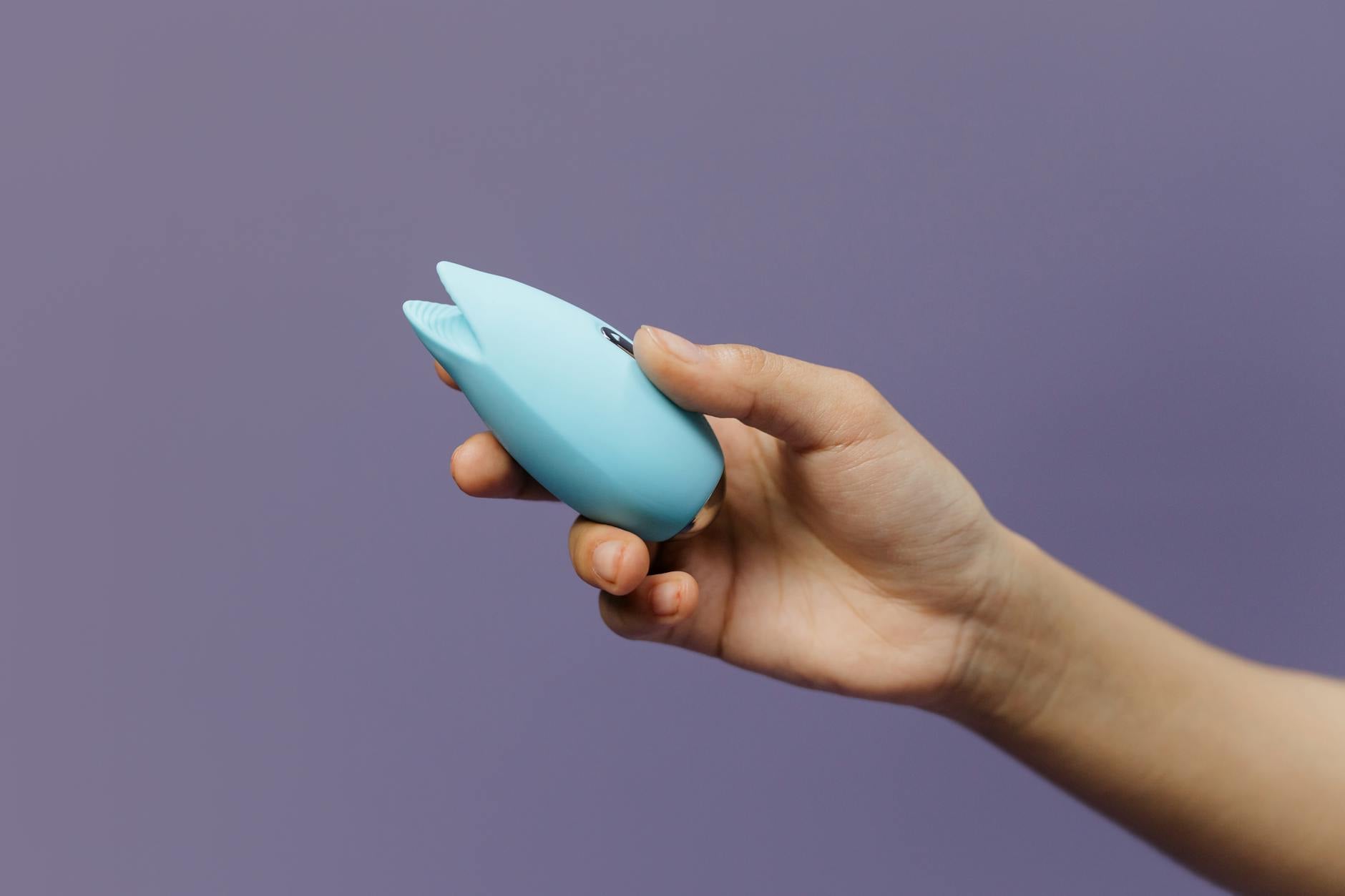
Photo by cottonbro studio on Pexels
Your pleasure is worth the patience. Your body's hesitation is not your fault. Lemon vibrators from Lems Sex Toy give you a way to reconnect with sensation on your own timeline, in your own way, without pressure or demands. That's the whole point.
People also ask
Is it normal to feel nothing when using a lemon vibrator after trauma?
Absolutely. After trauma, your nervous system may be in a protective state that dampens sensation entirely. This isn't permanent numbness. It's your body being cautious. Numbness often decreases with repetition and safety signals. You're retraining your nervous system, which takes time. If numbness persists for several months without any shifts, a trauma-informed therapist can help identify if there are additional blocks to address.
Can I use a lemon clitoral vibrator if my partner caused the trauma?
Yes, and in fact many people find it helpful. The vibrator doesn't involve the person who caused harm. It's entirely under your control. Whether to stay in a relationship after trauma is a separate question that ideally involves professional counseling. But rebuilding your own sense of pleasure is always within your power, regardless of your relationship status or choice.
How long does it take to feel arousal return after relationship trauma?
There's no set timeline. Some people feel shifts within a few weeks. Others take months or longer. Factors that influence pace include the severity of the trauma, your existing support system, whether you're in therapy, and your nervous system's baseline sensitivity. Patience with yourself is part of the healing. Progress isn't measured in orgasms. It's measured in moments where you feel safe, curious, and willing to explore sensation again.
Should I tell my partner I'm using a lemon vibrator during recovery?
That depends on the relationship and the trauma history. If your partner was not involved in the harm and you're in a trusting relationship, transparency can deepen intimacy. If talking about it feels unsafe, that's important information about the relationship itself. You don't owe anyone access to your pleasure or your recovery process. Your lemon vibrator is yours alone until or unless you decide to share it.
Can lemon vibrators help if I feel disgusted by touch or sexuality after trauma?
Yes, but slowly and gently. Disgust responses are powerful nervous system signals. Pushing through them doesn't work. Instead, lemon vibrators allow you to introduce sensation at such a low level, in such a controlled way, that your nervous system can begin to separate the sensation from the disgust association. You might start with the vibrator fully clothed, or nearby but not in contact. You're not trying to feel pleasure. You're just helping your body learn that this sensation doesn't equal danger. Over time, as that safety builds, the disgust often naturally decreases.
What if I have flashbacks or panic while using a lemon vibrator?
Stop immediately. There's no prize for pushing through. Your body is telling you something important. Flashbacks mean your nervous system recognized something as a threat. That's not failure. It's data. Trauma-informed therapy can help you understand what triggered the response so you can work with it. Some people benefit from grounding techniques before solo exploration. Others need to work with a trauma specialist to address specific triggers before solo pleasure becomes accessible again.
Your pleasure is part of your healing
Recovering arousal after relationship trauma is possible. It's not fast. It's not linear. But it happens. Lemon vibrators offer a way to rebuild sensation and trust in your own body, without anyone else involved, at exactly the pace that feels safe.
Your nervous system remembers the harm. But it can also learn new things. It can learn that touch can be safe. That you can choose pleasure. That your body belongs entirely to you.
If you're ready to explore further or have questions about your unique situation, reach out to our team. Healing is possible. You deserve pleasure that feels grounded and real.